Understanding Sluts AI in Digital Art Creation
As we enter a new era of creativity, artificial intelligence (AI) is rapidly reshaping the landscape of digital art. Among the most intriguing developments is the concept of sluts ai, which empowers artists with tools that not only enhance their work but also expand the possibilities of artistic expression. This transformative technology is not just a tool, but a collaborative partner that can amplify the human creative process. In this section, we will explore the fundamentals of Sluts AI, its core benefits, and address some common misconceptions that surround the integration of AI in art.
What is Sluts AI?
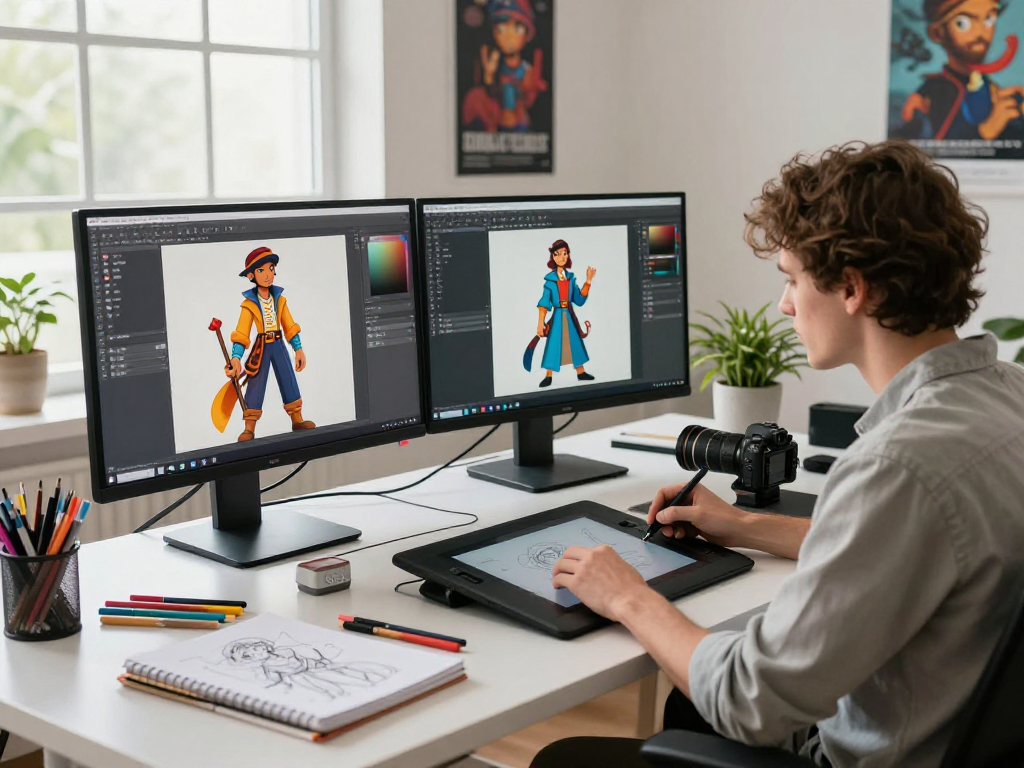
Sluts AI refers to a specialized application of artificial intelligence designed to assist artists in various stages of their creative workflows. It utilizes machine learning algorithms trained on vast datasets of artistic styles and techniques, enabling the generation of unique, visually striking artwork. Artists can input basic concepts, ideas, or themes into the system, which then provides several iterations or enhancements, allowing for a fusion of human creativity and machine efficiency.
This technology represents a shift from traditional methods of creation, offering artists a new virtual canvas where they can experiment without the limitations often imposed by traditional media. As AI continues to advance, its influence on the art world becomes increasingly profound, making understanding and adapting to these changes essential for modern artists.
Benefits of Using AI in Art
The benefits of integrating AI tools like Sluts AI into the artistic process are manifold:
- Enhanced Creativity: By providing new perspectives and novel iterations on artistic concepts, AI can inspire artists to explore uncharted creative territories.
- Increased Efficiency: AI can handle repetitive tasks such as color correction or rendering, freeing up valuable time for artists to focus on ideation and refinement.
- Personalized Artwork: Many AI tools allow for customization based on the artist's style, enabling a personal touch in a more automated process.
- Collaboration Opportunities: AI can offer suggestions or alternatives that push artists to evolve their practices, fostering collaboration between humans and machines.
Common Misconceptions about AI Artistry
Despite its benefits, several misconceptions about AI in artistry persist:
- AI Replaces Artists: A prevalent myth is that AI aims to replace human artists rather than enhance their capabilities. In reality, AI acts as a tool that can elevate and expand artistic expression.
- Lack of Originality: Critics often claim that AI-generated work lacks originality. However, art created with AI is frequently the result of unique collaborations that reflect the artist's vision.
- High Learning Curve: Many believe that AI tools are complicated and inaccessible. In contrast, numerous user-friendly applications are designed specifically for artists, making them easier to adopt.
Best Practices for Integrating Sluts AI in Your Workflow
To fully harness the potential of Sluts AI, artists must adopt best practices that facilitate seamless integration into their creative workflows. By understanding essential tools, streamlining processes, and balancing techniques, artists can maximize the benefits AI has to offer.
Essential Tools and Software for Artists
Choosing the right tools is crucial for effective AI integration. Some popular AI applications for artists include:
- DeepArt: Utilizes neural networks to transform photographs into artwork based on various artistic styles.
- Runway ML: Offers a suite of AI tools tailored for creators in video, image, and interactive experiences.
- Artbreeder: Allows users to blend images and generate highly detailed artworks through AI-assisted creation.
Each tool provides unique features that cater to different artistic needs, enabling artists to find the right fit for their style and projects.
Streamlining Your Creative Process with AI
Integrating AI can significantly enhance workflow efficiency. Artists can use AI to:
- Automate Repetitive Tasks: Tasks such as resizing images, background removal, and color adjustments can be automated, conserving creative energy for more significant aspects of art creation.
- Generate Ideas: AI can help brainstorm concepts, pushing artists to think outside the box and consider new themes or styles they may not have explored otherwise.
- Test Concepts: Artists can quickly prototype different styles and compositions, allowing for rapid iteration and refinement before finalizing their work.
Balancing Traditional and AI Art Techniques
While AI offers exciting new possibilities, it’s essential for artists to maintain a balance between traditional and AI-driven methods:
- Embrace Hybrid Approaches: Artists can create mixed-media pieces that incorporate both hand-painted elements and AI-generated components, resulting in distinctive, layered works.
- Maintain Craftsmanship: Understanding traditional techniques will enhance the ability to evaluate and direct AI-generated content, leading to more thoughtful and artful results.
- Stay Authentic: It's crucial to ensure that the artist's voice remains dominant in the creative process, using AI as a tool rather than a crutch.
Exploring the Future Trends of AI Art in 2026
As AI technology continues to evolve, the future of AI in art presents several exciting possibilities. In this section, we will delve into emerging techniques, market growth predictions, and the impact of AI on artistic professions by 2026.
Emerging Techniques and Technologies
Innovation in AI technology will likely introduce new techniques in art creation:
- Generative Art: Expect an increase in generative art, wherein algorithms produce original works that continuously evolve based on user interactions.
- Augmented Reality (AR) Integration: The intersection of AI with AR will allow artists to create immersive experiences that blend physical and digital realities.
- Advanced Style Transfer: Future advancements will refine style transfer techniques, allowing for more seamless blending of multiple artistic styles within a single piece.
Predictions for AI Art Market Growth
The market for AI-generated art is anticipated to grow significantly by 2026:
- Increased Demand: As public interest in AI art continues to rise, the demand for AI-generated pieces will likely expand, leading to new sales platforms and galleries focused on this niche.
- Broader Acceptance: The art community’s acceptance of AI-generated work as legitimate artistic expression is expected to increase, diminishing existing skepticism.
- Investment Opportunities: More investors will likely recognize the potential of AI art, leading to financial backing for innovative projects and artists.
Impact of AI on Artistic Jobs
The rise of AI may raise concerns regarding the impact on traditional artistic roles:
- Job Evolution: While certain roles may diminish, new positions will emerge that focus on working with AI tools, including AI art curators and digital art specialists.
- Upskilling Opportunities: Artists will need to adapt by learning new skills related to AI tool usage, ensuring their relevance in an evolving landscape.
- Cohesive Collaboration: A collaborative synergy between human artists and AI is likely to redefine the artistic workplace, fostering new forms of creativity.
Case Studies: Successful Artists Using Sluts AI
Examining real-world applications of AI can provide valuable insights into how artists are successfully integrating these technologies into their work. This section highlights some leading innovators in AI art and explores their creative processes.
Highlighting Leading Innovators in AI Art
Some notable artists pushing the boundaries of AI in their work include:
- Mario Klingemann: Known for his work with neural networks, Klingemann creates pieces that provoke discussions about creativity and authorship in the digital age.
- Refik Anadol: Anadol’s immersive installations utilize AI to transform data into mesmerizing visual experiences, integrating art, architecture, and technology.
- Anna Ridler: Ridler’s projects often merge storytelling with AI, using algorithms to reinterpret traditional narratives through a contemporary lens.
Real-World Applications of AI in Art Projects
AI’s impact can be seen in various artistic projects:
- Interactive Installations: Artists are creating interactive pieces that engage audiences in real-time, adapting based on visitor interactions through AI technology.
- Collaborative Works: Projects that involve both human creators and AI, such as songwriting or visual art, are becoming more common and highlight the potential for collaboration.
- Community Engagement: AI is facilitating community-driven art projects where participants contribute data that influences the final artwork, fostering a sense of ownership.
Lessons Learned from AI Integration
Artists have gleaned important insights from their experiences integrating AI:
- Experimentation is Key: Embracing a trial-and-error approach can unlock unexpected creative outcomes.
- Understanding Limitations: Knowing the boundaries of AI capabilities allows artists to harness its strengths without compromising their vision.
- Open Dialogue: Engaging in discussions about the implications of AI in art fosters an informed community that can navigate these changes responsibly.
FAQs about Sluts AI and Digital Art
As interest in AI continues to grow, several common questions arise. Here, we address some frequently asked questions regarding Sluts AI and its impact on the art world.
How can I start using Sluts AI in my art?
Beginning your journey with Sluts AI is straightforward. Start by exploring various AI art tools, experimenting with simple projects, and gradually incorporating AI into your workflow as you become more comfortable with the technology.
What are the ethical considerations of AI in art?
Ethical considerations include copyright issues, authorship claims, and the potential for AI to perpetuate biases present in training data. Artists must navigate these challenges thoughtfully to maintain integrity in their work.
Can AI replace traditional artists?
While AI can generate art, it does not possess the emotional intelligence, context, and unique personal experiences that traditional artists bring to their work. AI should be viewed as a tool rather than a replacement.
What skills do I need to effectively use AI tools?
Artists should focus on digital literacy, understanding of AI technology, creativity, and adaptability. Familiarity with how to manipulate AI tools can greatly enhance the creative process.
How has the art community reacted to AI-generated pieces?
The reaction has been mixed, with some embracing AI-generated work as a new form of expression while others remain skeptical. The ongoing discourse surrounding AI art continues to shape perceptions in the art community.